BIRDS, BEES, GM CROPS AND
COTTON PICKING FACTS
Two issues commonly discussed on this site are GM crops and bees, even if they are a bit peripheral to hemp. Both issues are also discussed in the Summer 2007 issue of Science in Society. Dr Mae Wan-Ho weighs in on both, along with notes on the birds, including the hempophilic sparrows. Katherine Hamnett talks about cotton pesticides.
Dr Ho, a physicist, discusses the universal harmony that molecules have with each other, and in turn, the harmony that organs in the same body will therefore also have. In an article titled "Quantum Jazz, the Tao of Biology", she talks about this phenomenon in the terms of the 'liquid crystalline continuum.'
Poetically she notes: "Quantum jazz is the music of the organism dancing life into being, with every single cell, every molecule and atom taking part, emitting light and sound with wavelengths of nanometres to metres in kilometres; spanning a musical range of 70 octaves, each improvising spontaneously and freely, yet keeping in tune and in step with the whole."
Wow! I wish my high school science courses were that inspiring. Maybe they make these classes boring so people do not later in life grasp the necessary science to challenge the large companies that are trying to run our lives. Dr Ho, along with Prof Joe Cummins, goes on to speak of GM crops, with a note on GM maize 59122 being found not safe. Opposite that in the magazine is another note on GM maize, this one about MON 863, which French scientists have found to be toxic...Zut alors, quel surpris.
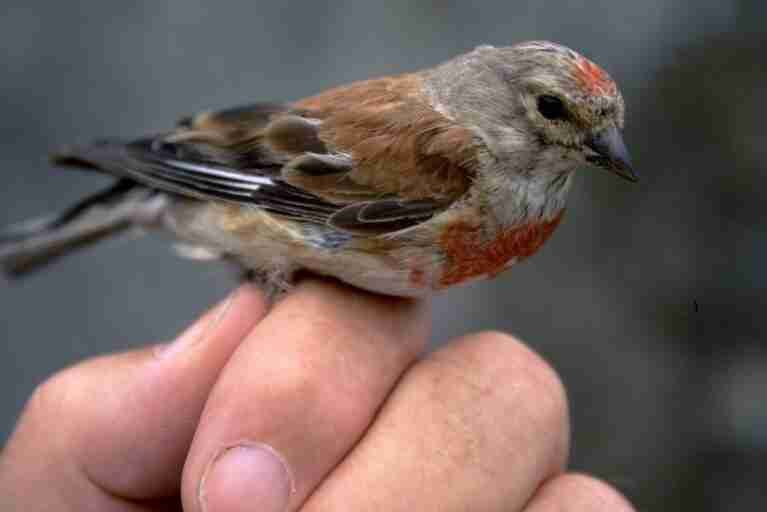
As to bees, this is the issue in which the report about the mobile phones placed in hives in Landau proved that they cause bees to vacate the hives. Along with bees, she speaks of birds, two subjects to which I did pay attention to in my boring 8th grade science class. Of the aves she notes that mobile phones are causing breeding and reproduction failures, specifically in House Sparrows (Passer domesticus) and, somewhat appropriately, White Storks (Ciconia ciconia).
Hamnett picks on cotton, telling us that 3 million cases of pesticide poisoning are reported each year by WHO. I bet they forgot to mention that in the Dow Chemical and Monsanto shareholder reports. They might also have forgotten to mention the facts that 20-90 kg of pesticdes are used per hectare on cotton plantations in Uzbekistan, which has caused 90% of the land to be contaminated. DDT and lindane blow around the region, causing cancer to the inhabitants. 43 million tonnes of pesticide-laden dust. Central Asians have the highest incidence of throat cancer in the world.
Hamnett only briefly touches, however, on the fact that cotton depletes the water, and that the Aral Sea has lost most of its volume, which means that agriculture in the region is a mess, and that migrating birds do not show up. Hamnett then promotes her own brand of 'organic cotton' as if this were some kind of answer. "It's not about choosing something else, it's about choosing the right cotton." So it's OK to destroy other people's water if you are a fashion guru sticking an organic label on the stuff. What about hemp? Oh, that's hard work for people like her, she once wore a hemp outfit from hemp made in the UK, but decided it was easier to perpetrate the cotton industry and make lots of money. However, the article was illuminating from the point of view of all the pesticide problems that cotton occasions. Too bad, though, that she and so many other gurus do not care to point to the long run solution of hemp cultivation.


.jpg)